
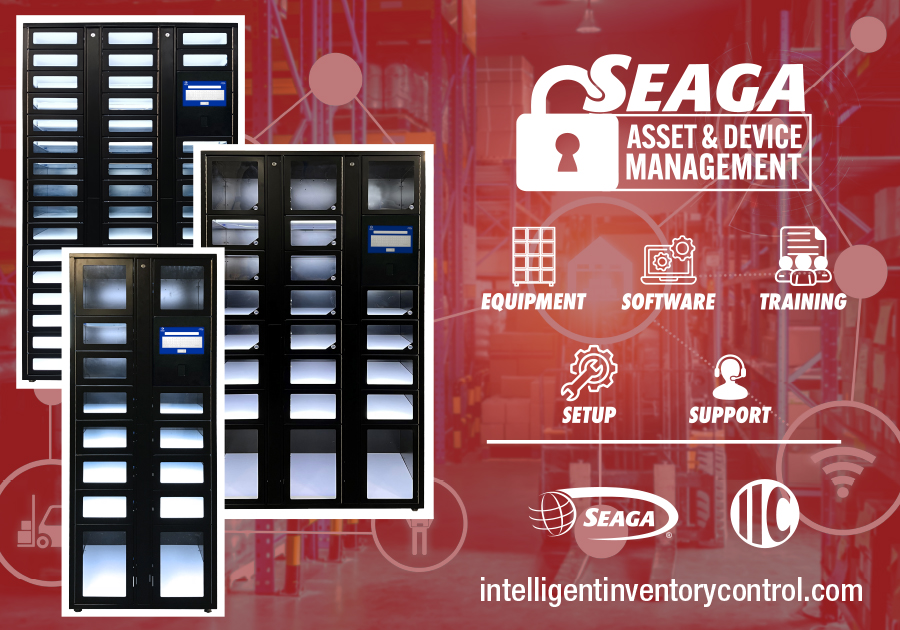
Transforming Industrial Supply Management
The industrial sector is experiencing a revolutionary transformation in how companies manage their supplies and inventory. Traditional methods of manual tracking and periodic restocking are giving way to intelligent, automated systems that promise unprecedented efficiency and cost savings.
Smart industrial vending represents the next evolution in workplace supply management, combining Internet of Things (IoT) technology with advanced analytics to create self-managing inventory systems.
What Makes Industrial Vending “Smart”?
Smart industrial vending machines go far beyond traditional dispensing systems. These sophisticated units feature:
-
Real-time inventory tracking through RFID and sensor technology
-
Automated reordering systems that prevent stockouts
-
User authentication for secure access and accountability
-
Data analytics dashboards providing usage insights
-
Mobile integration for remote monitoring and management
Advanced Sensor Technology
Modern industrial vending machines utilize multiple sensor types to monitor inventory levels, track item removal, and ensure proper dispensing. Weight sensors, optical sensors, and RFID technology work together to create a comprehensive monitoring system.
Key Benefits for Industrial Operations
The implementation of smart vending systems delivers measurable benefits across multiple operational areas:
Cost Reduction and Control
Organizations typically see 15-25% reduction in supply costs through better inventory control and reduced waste. Automated tracking eliminates over-ordering and helps identify usage patterns that optimize procurement strategies.
Enhanced Productivity
Workers spend less time searching for supplies and more time on productive tasks. 24/7 availability ensures critical items are always accessible, reducing downtime and project delays.
Improved Accountability
User authentication systems create detailed audit trails, showing who accessed what items and when. This transparency helps prevent misuse and supports accurate cost allocation across departments.
Implementation Strategies
Successful deployment of smart industrial vending requires careful planning and consideration of several factors:
-
Location analysis to determine optimal placement
-
Product selection based on usage frequency and value
-
Integration planning with existing ERP and procurement systems
-
Staff training on new processes and technologies
-
Performance monitoring and continuous optimization
Looking Ahead: Future Innovations
The future of industrial vending promises even more sophisticated capabilities. Artificial intelligence will enable predictive analytics, forecasting demand patterns before they occur. Integration with augmented reality could provide visual inventory management, while blockchain technology might enhance security and traceability.
Machine learning algorithms will continuously optimize inventory levels and reorder points, adapting to changing usage patterns and seasonal variations. These advances will make smart vending systems increasingly autonomous and valuable.
Making the Transition
For organizations considering smart industrial vending, the key is starting with a pilot program focused on high-value or frequently used items. This approach allows companies to demonstrate ROI while building internal expertise and user adoption.
The future of industrial supply management is automated, intelligent, and data-driven. Companies that embrace these technologies now will gain significant competitive advantages through improved efficiency, reduced costs, and enhanced operational visibility.